A patient walks into your medical clinic, and the first thing they notice is a fingerprint on the door handle. Then they spot dust on the windowsill in the doctor’s waiting room. Nothing dangerous, but suddenly the space feels less trustworthy.
Healthcare centers operate in a trust economy. Patients entrust you with their health. They assume your facility meets the highest standards of cleanliness and sanitation. If the visible environment looks questionable, they wonder what’s happening behind the scenes.
This is why cleaning requirements for medical and healthcare facilities go far beyond aesthetics. They’re about patient safety, regulatory compliance, infection control, and the reputation of your facility. And they’re significantly different from cleaning standards in other commercial environments.
Understanding these standards isn’t optional for healthcare administrators. It’s essential to your operation.
Healthcare Cleaning Regulations You’re Legally Required to Follow
Healthcare companies operate under strict regulatory oversight. The landscape is complex, and failing to meet these standards carries real consequences: citations, fines, loss of accreditation, and damage to your facility’s reputation.
Cleaning requirements for regulated healthcare environments are legally mandated, not optional best practices.
OSHA Standards for Bloodborne Pathogens
OSHA (Occupational Safety and Health Administration) sets standards for occupational exposure to bloodborne pathogens. This includes specific cleaning and disinfection protocols for any area where blood or bodily fluids might be present. Medical centers must have:
- Documented cleaning procedures for all patient care areas
- Appropriate personal protective equipment (PPE) for staff handling contaminated materials
- Staff training on proper disinfection techniques
- Protocols for handling and disposing of biohazardous waste
HIPAA Compliance and Environmental Safety
While HIPAA does not dictate specific cleaning methods, it requires healthcare centers to maintain safeguards that protect patient privacy and safety, which includes preventing environmental conditions that could expose sensitive information or compromise care.
CDC Guidelines and Best Practices
The CDC (Centers for Disease Control) provides guidance on infection prevention in healthcare settings. While not federal law in all cases, healthcare accreditation bodies and state regulations often reference CDC standards. Non-compliance can affect your facility’s ability to operate and maintain accreditation.
State and Local Requirements
State and local health departments set specific requirements for your region. These vary, but typically cover:
- Frequency of cleaning by area type
- Types of disinfectants approved for use
- Handling and disposal of biohazardous materials
- Documentation and record-keeping requirements
The bottom line is that medical-grade cleaning procedures aren’t suggestions. They’re legal requirements with enforcement mechanisms.
Why Medical Cleaning Differs From Commercial Cleaning
Office and medical facility cleaning aren’t interchangeable. Commercial cleaning prioritizes appearance; medical cleaning prioritizes infection prevention and patient safety.
This distinction affects the products, frequency, protocols, and training required. Medical facilities need hospital-grade disinfectants proven effective against bloodborne pathogens, MRSA, viruses, and fungi.
Cleaning frequency differs significantly. Commercial spaces might receive weekly cleaning. Medical clinics require high-touch surfaces (door handles, bed rails, armrests, light switches) disinfected multiple times daily.
Training requirements are also fundamentally different. A commercial cleaner might watch a training video. Medical facility cleaners must understand infection control principles, proper PPE use, biohazard handling, and documentation requirements.
The expertise and standards required are substantially different.
High-Touch Surface Disinfection and Infection Risk
If infection control has a weak link, it’s high-touch surfaces. These are areas where hands touch repeatedly throughout the day, creating opportunities for pathogen transfer.
What Counts as High-Touch
In a medical facility, high-touch surfaces include:
- Door handles and push plates
- Light switches
- Bed rails and frames
- Armrests and waiting room chairs
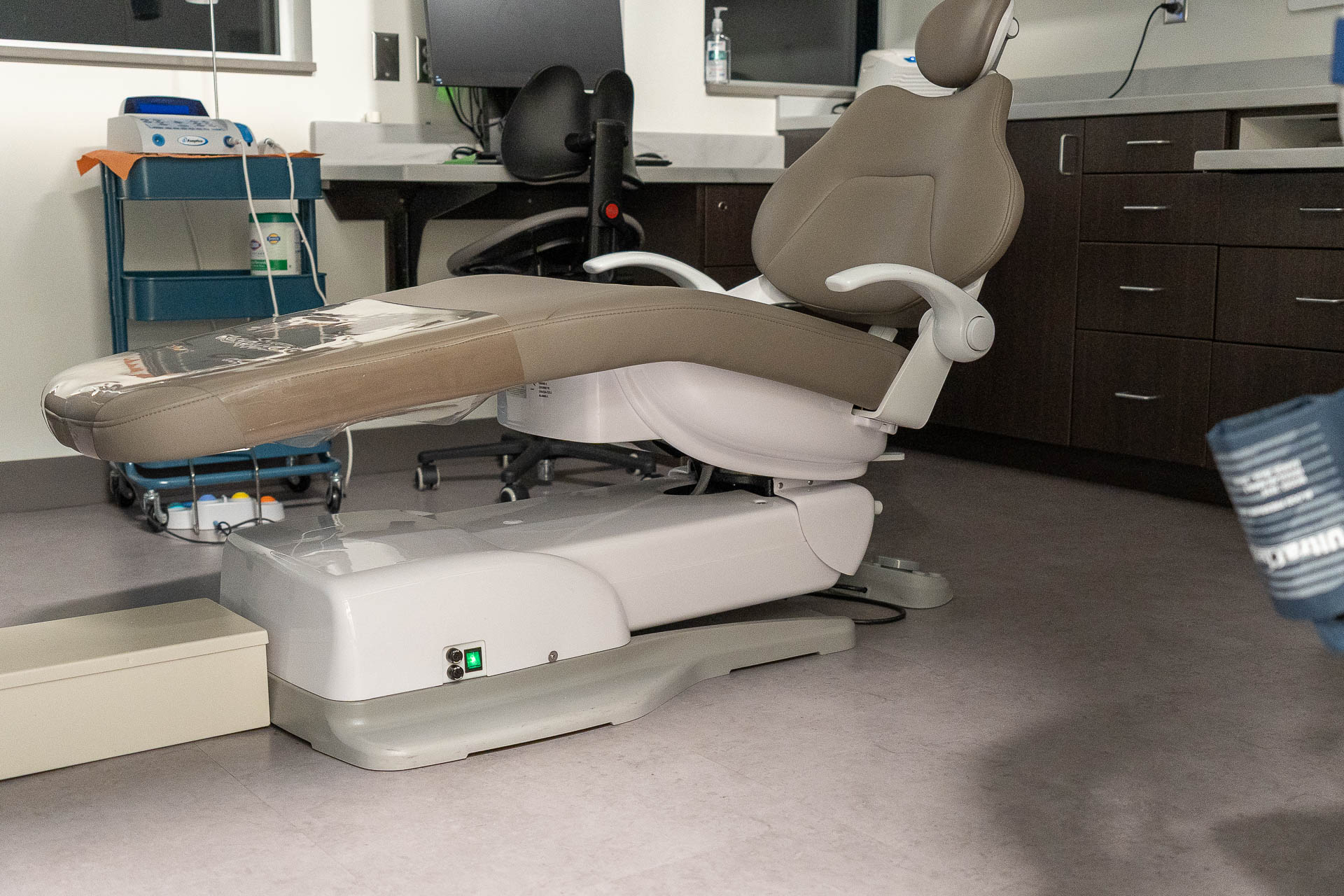
- Exam tables
- Toilet and faucet handles
- Countertops and work surfaces
- Handrails and grab bars
Every time a patient or staff member touches these areas, bacteria, viruses, and fungi can transfer. The contamination risk is significant.
Disinfection Frequency Requirements
Medical facility cleaning protocols call for high-touch surfaces to be disinfected frequently, depending on facility type and patient population:
- Critical care units may require disinfection every few hours
- General patient care areas typically require multiple disinfections daily
- Waiting rooms and common areas require frequent disinfection throughout operating hours
Hospital-Grade Disinfectant Requirements
The disinfectants used must have proven effectiveness against the pathogens most likely present. For healthcare settings, this means hospital-grade disinfectants that eliminate:
- Bloodborne pathogens
- Healthcare-associated infection organisms (like MRSA)
- Resistant bacteria and fungi
- Common viruses in healthcare settings
Standard household disinfectants are insufficient. The chemical composition, contact time, and proven efficacy must meet medical standards.
Documentation and Compliance Proof
Documentation is essential. You need records of when surfaces were disinfected, by whom, and what product was used. This proves compliance if audited or if an infection occurs and you need to demonstrate appropriate protocols were followed.
Patient Rooms and Equipment: Preventing Hospital-Acquired Infections
Hospital-acquired infections cost institutions millions annually and are largely preventable through proper disinfection protocols.
Patient rooms must be fully disinfected between patients. Medical equipment requires specialized protocols, while floors and high-traffic areas need frequent, often daily, disinfection.
Textiles, curtains, and upholstery can harbor pathogens and require frequent washing or replacement.
The Documentation and Audit Component
Regulatory healthcare cleaning standards include documentation requirements. You must maintain records of cleaning activities, disinfectants used, staff training, and any incidents requiring remediation.
This documentation serves multiple purposes. It demonstrates compliance during regulatory audits and provides evidence that appropriate protocols were followed if an infection occurs. This helps identify patterns or areas needing improvement.
Many healthcare clinics use cleaning logs, checklists, and documented protocols. Staff sign off on completed tasks. Supervisors verify compliance. This creates accountability and proof of adherence to standards.
Compliance Is Non-Negotiable
Failing to meet healthcare cleaning requirements for medical facilities carries real consequences, including citations from regulatory agencies, fines ranging from hundreds to thousands of dollars, and even loss of accreditation.
Inadequate cleaning directly impacts patient safety. Infections spread. Staff gets sick. Patients’ conditions worsen. The core mission of your healthcare facility is compromised.
This is why many healthcare companies partner with specialized cleaning companies that understand medical cleaning requirements. It’s not about saving money. It’s about ensuring compliance, reducing infection risk, and maintaining patient safety.
Partner With Experts Who Know Medical Standards
At EMD Commercial Cleaning, we’ve spent 15 years serving medical centers in Minneapolis, St. Paul, Bloomington, Eagan, Eden Prairie, and Maplewood. Our team understands cleaning standards for medical and healthcare facilities because we specialize in them.
Our approach includes hospital-grade disinfectants, OSHA and CDC compliance, trained infection control staff, and cleaning plans designed for your facility.
Contact EMD Commercial Cleaning to discuss your medical facility’s cleaning needs. Let’s ensure your healthcare environment meets the highest standards for patient safety, regulatory compliance, and staff protection.