Ask ten facility managers that question, and you will get ten different answers. Some go by the calendar. Others go by how things look. And some are quietly out of compliance with standards they did not know applied to them.
The truth is that deep cleaning frequency in a medical office is not a matter of preference; it is a matter of patient safety, staff protection, and regulatory compliance. Healthcare-associated infections affect an estimated 1 in 31 hospital patients on any given day, according to the CDC.
So let’s answer the question directly, with the specifics that matter for medical offices in Minneapolis, St. Paul, and the surrounding Twin Cities area.
The Short Answer: It Depends on Your Facility Type
No single medical office deep cleaning schedule applies to every medical practice. A dental office, a specialty clinic, an urgent care center, and a hospital all carry different risk levels, patient volumes, and regulatory expectations.
What they share is the need for a cleaning program that goes beyond surface-level tidying on a consistent, documented schedule.
Here is a general framework to work from:
- Daily: Disinfect high-touch surfaces and patient areas.
- Weekly: Clean floors and restock all sanitation supplies.
- Monthly: Deep clean hard-to-reach areas and equipment storage.
- Quarterly/Semi-annually: Perform full facility deep cleans and compliance reviews.
The keyword in all of this is documented. In a regulated medical environment, a cleaning schedule that is not recorded is a cleaning schedule that does not exist from a compliance standpoint.
What Triggers an Unscheduled Deep Clean
Routine schedules cover the baseline. But medical offices also need to know when to call for an immediate deep clean outside of the regular cycle. Common triggers include:
- Confirmed or suspected infection outbreaks
- Contamination events like blood or fluid spills
- Norovirus or respiratory illness clusters
- OSHA or health department inspection deficiencies
- Renovations or new tenant move-ins
- Seasonal patient volume surges
EMD Cleaning offers 24/7 emergency response for Twin Cities medical facilities that can’t wait until Monday morning.
High-Touch Surfaces: The Daily Non-Negotiable
Before discussing deep cleaning frequency, it is worth being specific about what requires attention every single day. High-touch surfaces in medical environments carry disproportionate contamination risk and need consistent, protocol-driven disinfection with EPA-approved products.
In a typical medical office, daily high-touch disinfection should cover:
- Door handles, light switches, and cabinet pulls throughout the facility
- Reception counters, check-in kiosks, and payment terminals
- Waiting room chairs, armrests, and tables
- Exam room tables, equipment controls, and supply drawers
- Restroom fixtures, faucets, and dispensers
- Staff break room surfaces and shared equipment
EMD uses hospital-grade disinfectants across all of these surfaces and follows protocols built for healthcare environments, not adapted from general office cleaning standards.
Compliance Is Not Optional: OSHA and Infection Control Standards
Medical facilities in Minnesota operate under strict regulatory requirements. OSHA’s bloodborne pathogen standards, CDC infection control guidelines, and state health department requirements all establish expectations for how medical environments are cleaned, disinfected, and documented.
A cleaning company working in a medical facility needs to understand these standards, not learn about them on the job. EMD Cleaning Services trains its staff specifically for medical environments, ensuring that cleaning methods, product selection, and documentation practices align with OSHA and healthcare compliance requirements.
This matters especially for facilities in Bloomington, Woodbury, and Eden Prairie that have faced challenges with rotating cleaning crews who lack the specialized training that medical cleaning requires.

Why Consistency Matters as Much as Frequency
Here is something that does not get discussed enough in conversations about medical office cleaning: consistency is just as important as how often you clean.
A deep clean performed by a different crew every quarter, using different products, different protocols, and no institutional knowledge of your facility, is significantly less effective than the same trained team following a documented, repeatable process.
EMD was built specifically to solve this problem. Their model uses the same trained staff on every visit, backed by leadership accountability and a 24/7 communication commitment.
As Jennifer Woolley noted after switching to EMD following several failed attempts with other companies: “Marin and his crew are thorough, prompt, and courteous. They’re always willing to go the extra mile when needed.”
That kind of consistency is not just operationally convenient. In a medical environment, it directly supports infection control outcomes.
What a Full Medical Deep Clean Includes
For facilities scheduling a quarterly or semi-annual deep clean, here is what a comprehensive service from EMD covers:
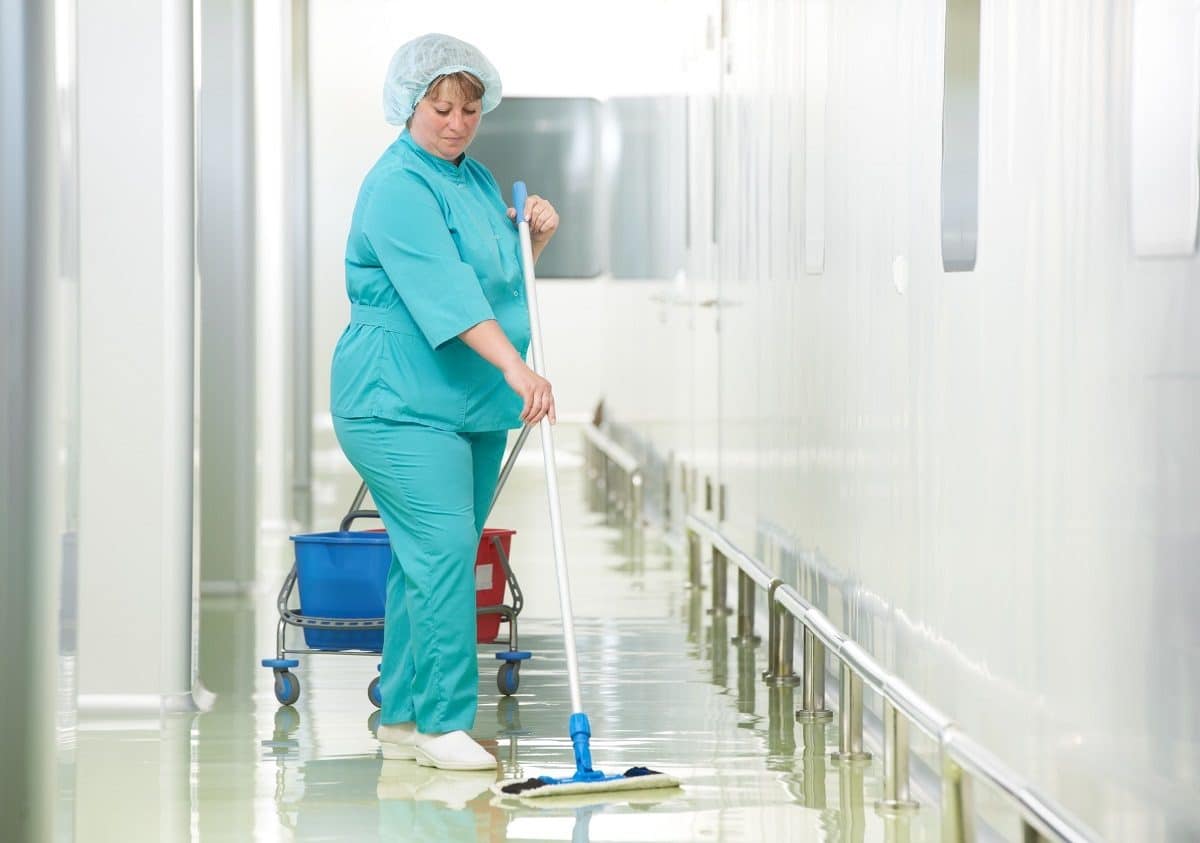
- Hard floor stripping, cleaning, and waxing
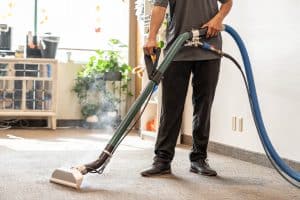
- Carpet and upholstery deep cleaning in waiting areas and offices
- UV-C sterilization of high-risk and hard-to-reach areas
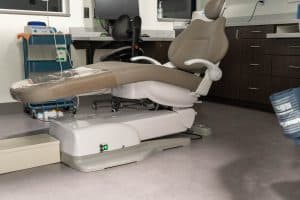
- Patient room disinfection with documented protocol
- Restroom deep sanitation and supply restocking
- Emergency and decontamination cleaning as needed
- Full compliance with OSHA and healthcare cleaning standards
Every service is customized to the specific facility, its size, patient volume, services offered, and schedule requirements.
Get the Deep Clean Your Medical Office Actually Needs
For medical offices across Minneapolis, St. Paul, Bloomington, Eagan, Eden Prairie, and Maplewood, EMD Cleaning Services brings over 15 years of commercial cleaning expertise, a consistently trained staff model, and the healthcare-specific knowledge to keep your facility clean, compliant, and safe.
Schedule a compliance-focused cleaning assessment with EMD and get a documented deep cleaning plan built specifically for your medical facility.
Frequently Asked Questions
Does my small medical office need the same deep cleaning frequency as a hospital?
Not necessarily, but the standards for surface disinfection and infection control still apply regardless of facility size. A small specialty clinic or dental office seeing patients daily needs a documented cleaning program that addresses high-touch surfaces, restrooms, and exam areas on a consistent schedule. EMD works with facilities of all sizes to build a program that fits the actual risk level and patient volume.
How do I know if my current cleaning program meets OSHA standards?
The most reliable way is a facility assessment with a cleaning company experienced in healthcare environments. EMD offers this evaluation as part of onboarding new medical clients and can identify gaps in current protocols before they become compliance issues.
What is UV-C sterilization, and when is it needed?
UV-C sterilization uses ultraviolet light to eliminate bacteria and viruses in areas where traditional cleaning cannot reach effectively — including medical equipment storage areas and other sensitive spaces. It is not a replacement for standard disinfection but a supplement for high-risk areas in clinical environments.
Can EMD work around our patient schedule?
Yes. EMD builds cleaning schedules around each facility’s operational hours and patient flow, minimizing disruption while ensuring cleaning happens at the right intervals. Their 24/7 availability means urgent needs outside of normal hours are handled without delay.