Keeping a daycare clean isn’t just about appearance. It helps reduce illness, protects children and staff, and keeps your childcare center ready for Minnesota Department of Human Services (DHS) inspections.
According to the CDC, young children typically experience 6 to 8 respiratory infections each year, making consistent cleaning and disinfection an important part of reducing the spread of illness in childcare settings.
If you manage a preschool in Minneapolis, St. Paul, or elsewhere in the Twin Cities, following a consistent daycare cleaning checklist helps create a healthier environment while supporting licensing compliance.
What Minnesota DHS Inspectors Look For During Site Visits
Licensing inspectors focus on high-risk infection zones where germs spread fast among young children. In Hennepin and Ramsey counties, health officials check far more than basic appearance. They evaluate surface sanitation logs, bathroom hygiene standards, diapering procedures, and food preparation areas.
During fall enrollment surges, viruses like RSV, norovirus, and hand-foot-and-mouth disease circulate rapidly. Winter months bring additional challenges as Minneapolis and St. Paul kids track road salt, slush, and mud across play mats and entryways. Inspectors look closely at whether your cleaning protocols effectively address these local seasonal factors.
Key inspection red flags include:
- Diaper changing tables that lack a clear, three-step sanitization process (wash, rinse, disinfect).
- Restroom cleaning logs that are incomplete or missing daily entries.
- Disinfectants applied without allowing the required dwell time to kill viruses.
- Soft toys, carpets, or nap mats showing visible soil or moisture accumulation.
- Trash cans in diaper changing areas lacking hands-free lids.
Minnesota Childcare Cleaning Requirements
Minnesota childcare centers must maintain clean and sanitary facilities to comply with licensing requirements established by the Minnesota Department of Human Services (DHS).
The state’s licensing standards in Minnesota Rule 9503 define sanitation expectations for childcare centers, while the CDC recommends routine cleaning, sanitizing, and disinfecting of high-touch surfaces, toys, diapering areas, and food preparation spaces to help reduce the spread of illness.
When disinfecting, facilities should also use EPA-registered disinfectants, such as products included on EPA List N, and always follow the manufacturer’s required contact (dwell) times for effective germ control.
Staying aligned with these guidelines helps create a healthier environment for children and staff while supporting inspection readiness
Daily and Weekly Childcare Cleaning Checklist
To maintain health compliance, your staff or janitorial team must stick to a disciplined daycare cleaning schedule. Wiping down counters at the end of the day is not enough to stop viral
Following a structured preschool cleaning checklist keeps your team accountable while guaranteeing no critical steps get missed before an inspector arrives.
| Frequency | Area | Cleaning Standard |
| Daily | Drinking Fountains | Sanitize buttons, spouts, and surrounding surfaces. |
| Daily | Classroom Cubbies | Wipe handles and frequently touched storage areas. |
| Weekly | HVAC Vents | Dust vents to help reduce allergens and improve air quality. |
| Monthly | Air Filters | Inspect or replace according to manufacturer recommendations. |
Why In-House Cleaning Frequently Fails Inspection
Childcare teachers and aides work long, demanding hours supervising children, handling administrative tasks, and planning curriculum. Expecting teaching staff to perform deep commercial sanitization at the end of a long shift often leads to inconsistent results and employee burnout.
Proper infection control requires precise application techniques. EPA-registered disinfectants must remain wet on surfaces for specific contact times (often two to ten minutes) to eliminate bacteria and viruses.
Hurried employees often spray a surface and wipe it immediately, leaving live pathogens behind. Cross-contamination also happens when workers use the same cloths or mops across different rooms, moving germs from restrooms straight into play spaces.
Partnering with a professional daycare cleaning service removes this heavy burden from your staff. Trained commercial cleaners bring specialized equipment, such as HEPA-filtered vacuums and electrostatic sprayers, to disinfect every corner.
They follow strict color-coded microfiber systems to prevent cross-contamination and ensure your center consistently meets Minnesota health department codes.
Establishing a Reliable Sanitation Schedule for Twin Cities Daycares
Consistency is what turns a stressful inspection into a routine checkmark. Creating an effective daycare cleaning schedule requires coordinating daytime quick-sanitizing tasks with evening deep-cleaning services.
During daytime hours, center staff should focus exclusively on immediate needs: wiping diaper stations after each use, sanitizing food trays, and isolating toys that children put in their mouths. Once the children leave for the day, a commercial crew takes over the heavy lifting.
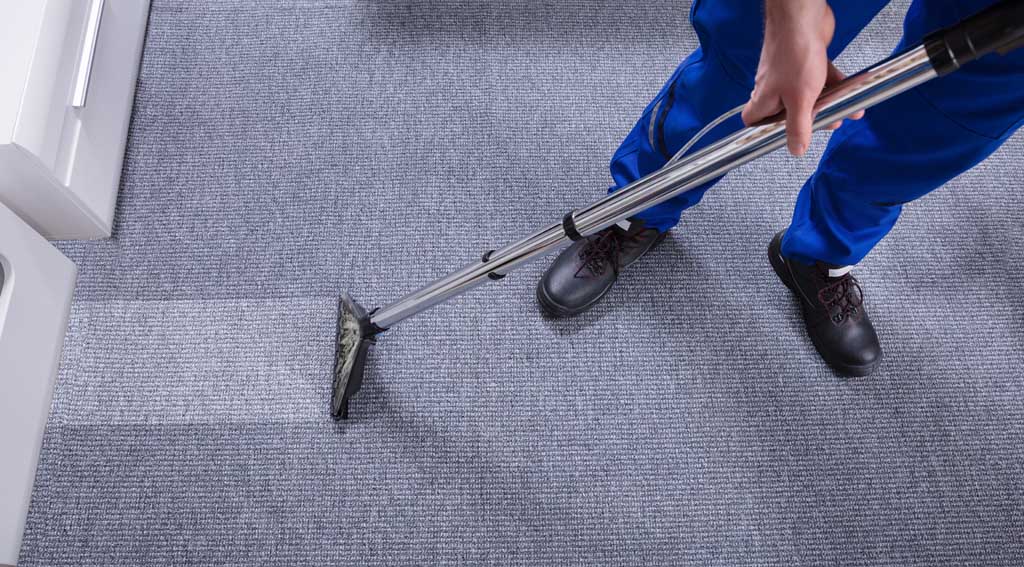
Nighttime crews perform carpet extraction, hard-floor scrubbing, trash removal, and comprehensive surface disinfection without disrupting classroom activities or exposing children to active cleaning solutions.
Schedule a Cleaning Evaluation
Protect your license and maintain full confidence during your next state inspection. EMD Commercial Cleaning helps Minneapolis and St. Paul childcare centers maintain healthier classrooms and consistent cleaning standards year-round. Contact us for a customized cleaning assessment.
Daycare Cleaning Frequently Asked Questions
How often must toys be disinfected under Minnesota childcare rules?
State guidelines require non-porous toys mouthed by children to be sanitized immediately after use. All other shared play equipment must undergo daily washing, rinsing, and sanitizing with an EPA-registered product safe for childcare spaces.
What cleaning products are safe for daycare centers?
Daycare facilities must use EPA-registered disinfectants that prove effective against common pathogens while remaining non-toxic to children. Products should leave no chemical residue or harsh fumes that could trigger childhood asthma or skin allergies.
Can commercial janitorial crews clean after operating hours?
Yes. Professional teams usually perform deep cleaning, carpet extraction, and floor scrubbing during evening or weekend hours when children and staff are absent. This eliminates chemical exposure risks and ensures your building opens fresh every morning.
How does a commercial cleaning service help us pass inspections?
Commercial cleaners supply trained technicians who follow strict state compliance checklists. They maintain proper chemical contact times, document routine schedules, and eliminate hidden germ reservoirs that in-house staff frequently miss.